

Software-Defined Vehicles:
The Future of Automotive Electronics

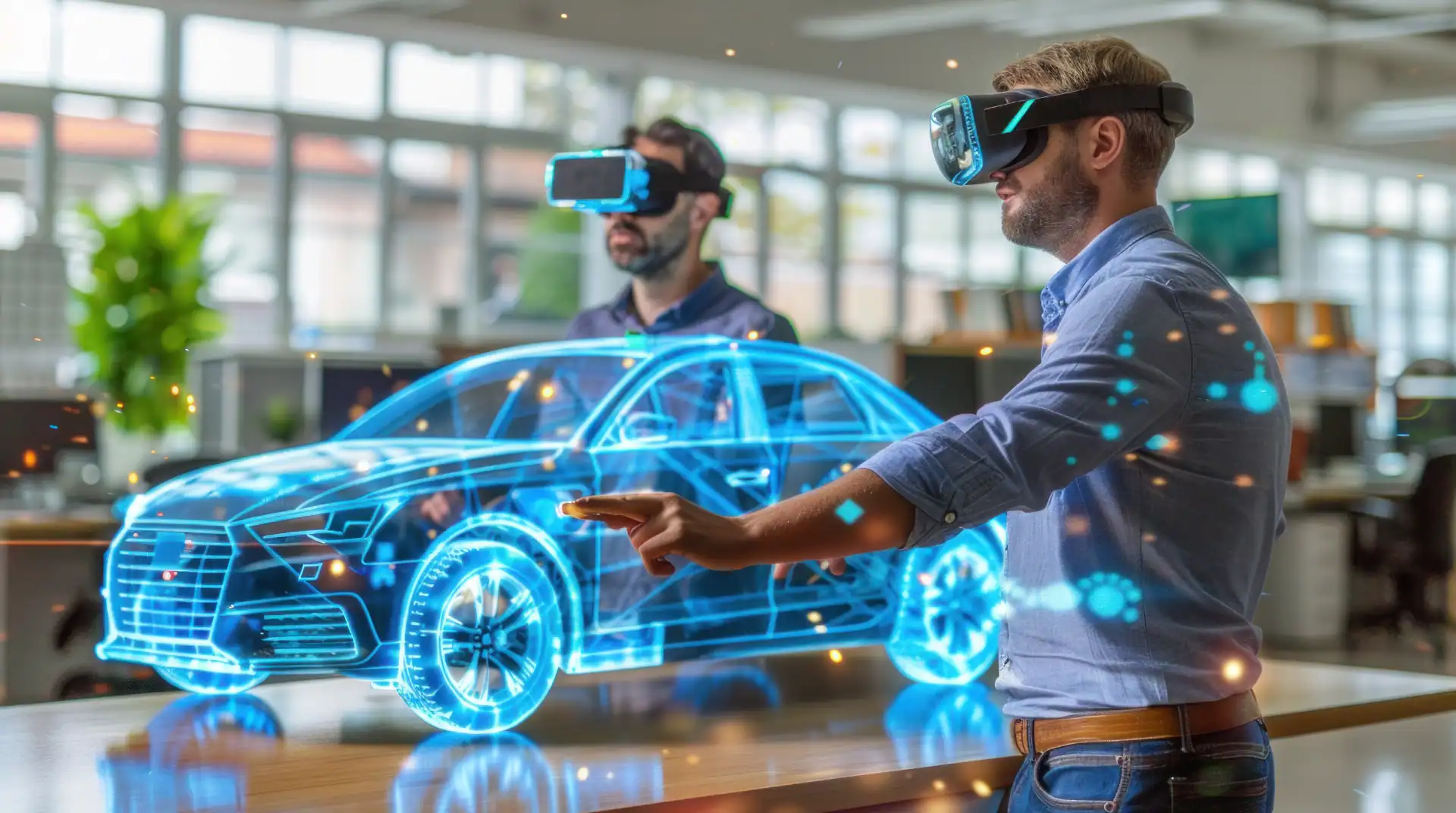
In an industry adoption survey, 45 % of automotive OEMs said SDVs are now their top strategic priority, outranking even EV and advanced driver-assist system development.
So, if you think your car is just an appliance on wheels, with an engine, wake up; that argument died long ago. We are fast becoming Software-Defined Vehicles (SDVs) in this era, and if your strategy isn’t thinking of software just as important as hardware, you need to rethink your systems.
Let’s unpack why SDVs represent the biggest pivot in automotive electronics since fuel injection, and why fuel injection still matters.
What the Heck is a Software-Defined Vehicle?
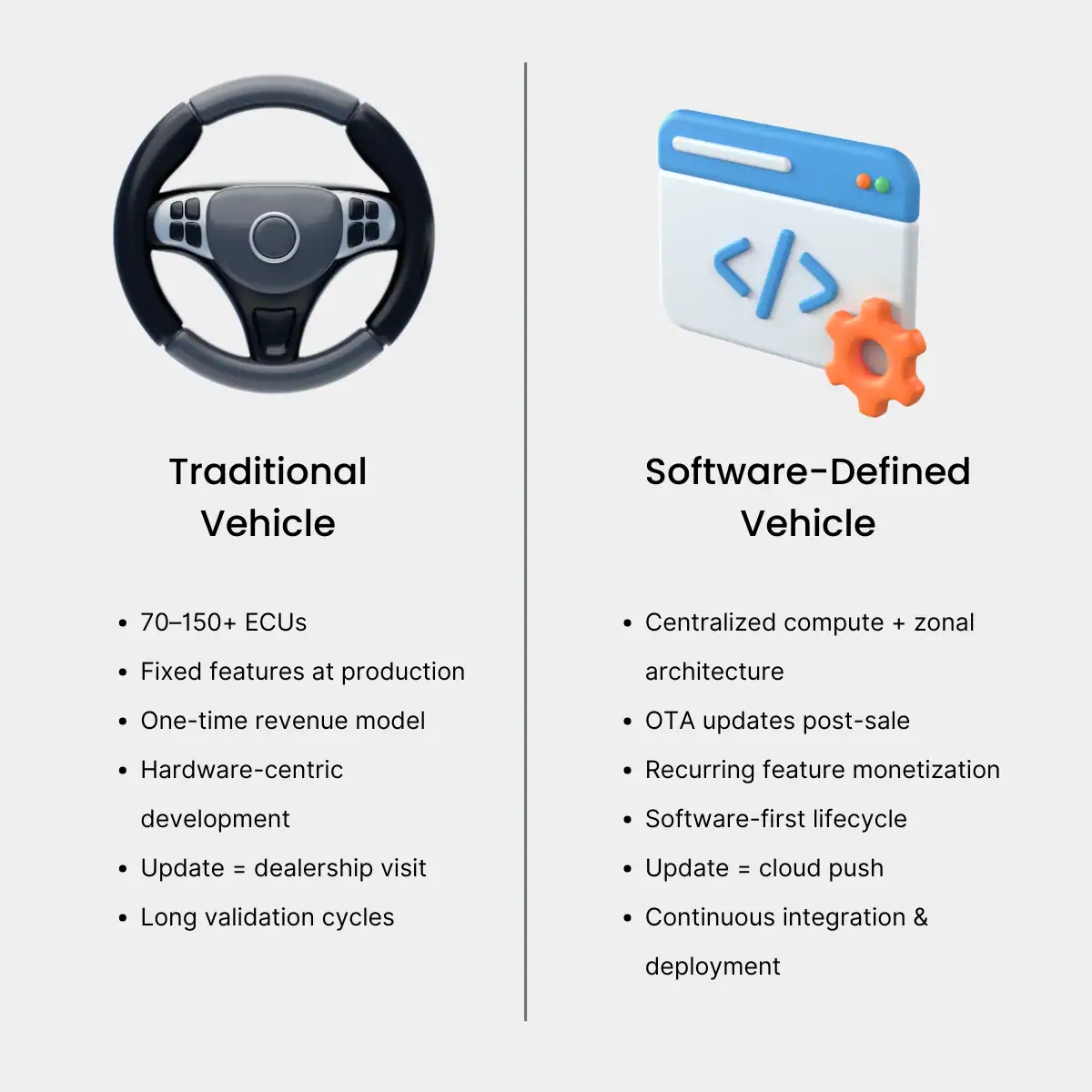
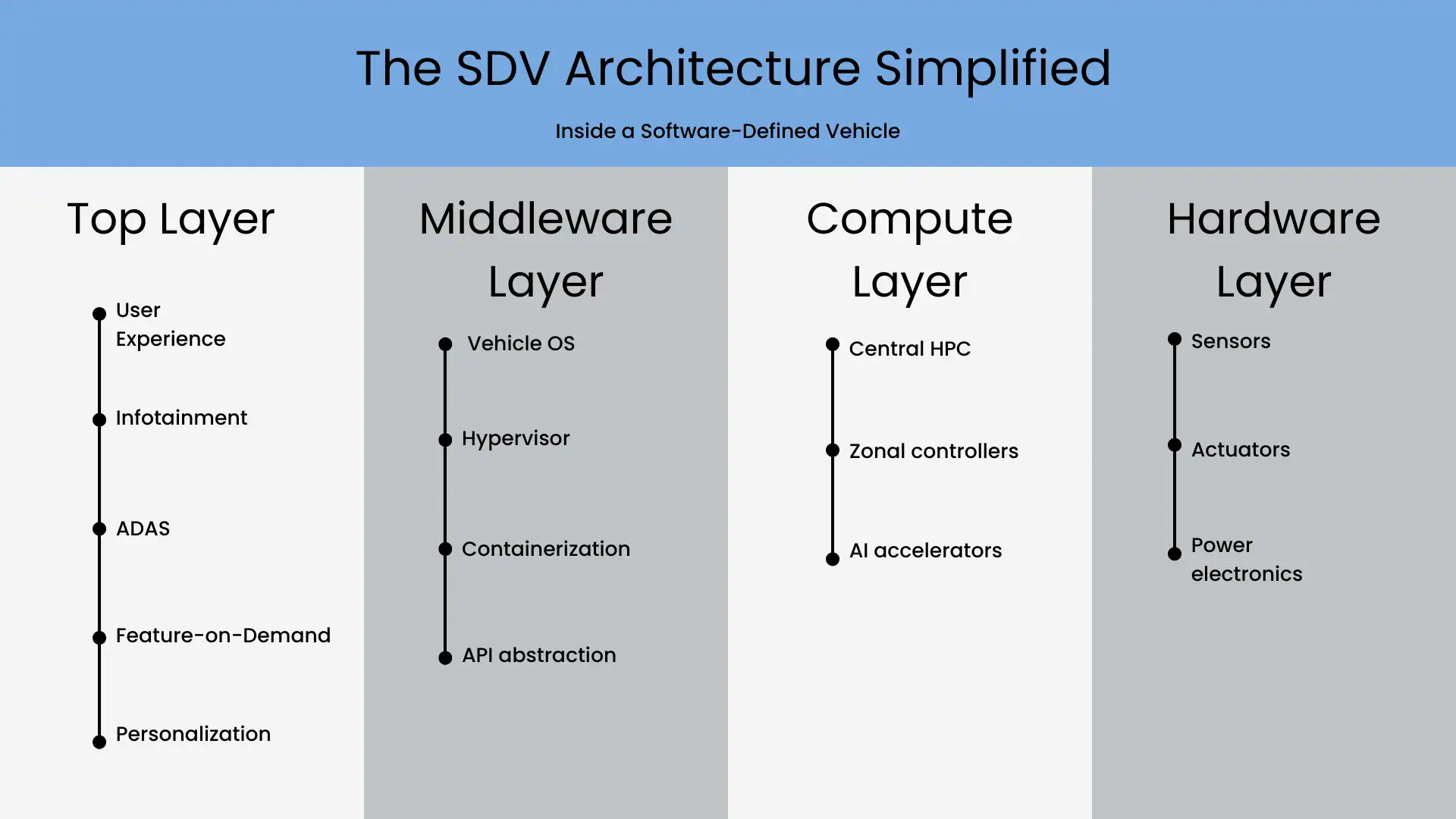
In plain English, an SDV is a car that is primarily defined by its software as opposed to hardware. For example, in a traditional vehicle, specific hardware components like microcontrollers and ECUs are used for managing different domains like the engine, infotainment systems, braking systems, and so on. In an SDV, the scenario is different as the centralized computing and zonal electronic architectures allow the software to control and update all the systems; literally after delivery.
Think of the difference like this:
Old Car: USB Port + CDs = Cool
SDV: Walking App Store that gets better over time
Another empty hyperbole? It actually engineering reality.
“The future of vehicles will be defined by Software Defined Vehicles (SDVs), where user experience, digital customisation and seamless ecosystem integration will take centre stage…”
Harald Proff — Global Automotive Analyst, Deloitte
Why This Matters (Beyond the Hype)
Here’s where most “industry blogs” lose you: they gush at 40,000 feet instead of showing why this actually matters.
1. Continuous Improvement, Not Factory Freeze-Frame
Current OEMs treat the vehicle’s capabilities like a Polaroid snapshot. Once it rolls off the line, that’s it. SDVs rewrite that rulebook. Over-the-air (OTA) updates now are expected, not cool. Want better lane-keeping? A refreshed UI? A safety tweak pushed without a recall? SDVs enable it.
2. Software Monetization Isn’t a Fairy Tale
For years, OEMs have whispered about “recurring revenue.” With SDVs, it’s now the reality. Subscription features, feature on demand, pay-per-use enhancements , these are products you can sell after you deliver them. That’s new economics.
The truth is, if your business model is still one-time vehicle sales, your business is literally shrinking, even if it appears to be growing.
3. Hardware Is Still There, But It Reports to Software
In an SDV, hardware is infrastructure. Centralized compute domains and zonal controllers replace a spaghetti of ECUs. Semiconductors from Infineon and others now act like high-performance servers on wheels.
The result is fewer physical parts, lower weight, and maintenance savings.
SDVs vs EVs vs ADAS Priority: 45 % OEM prioritization — software beats propulsion.
Real Moves in the Industry (Not Just Slideshares)
This is not theoretical anymore. Here’s what’s actually moving the needle right now:
OEMs & Software Platforms
BMW, Valeo Brain, and KPIT are actively embedding modular SDV architectures across vehicle lines (S&P Global notes this shift across premium to mass-market models).
Ecosystem Alliances
Sibros, a connected vehicle platform leader, just joined the SOAFEE initiative to push cloud-native SDV development across mobility segments, meaning the industry is unifying.
Premium Experiences Inside the Car
Volvo Cars’ EX60 EV now features software-defined audio via a centralized software platform (no DSP-siloed hardware). This is proof that even the sound system is getting a software revolution.
These are not pilot projects, they are production milestones. That’s the difference between “nice to have” and “table stakes.”
The Hard Truth: It’s Not a Simple Tech Switch
If moving to SDVs were just a software update, we’d be done already. It’s not. This thing goes deep:
- Architectural overhaul (goodbye traditional ECUs, hello centralized/zonal domains)
- Organizational redesign (software teams need to behave like tech firms, not assembly plants)
- Supplier ecosystems get shuffled (hardware suppliers become software partners, or risk obsolescence)
- Security and privacy become core engineering problems (more code means more risk) not optional. That is feature that can be mistaken for a bug.
Yes, this is harder than swapping out brake pads. But the payoff is arguably bigger than electrification itself.

The global software-defined vehicle market was valued at over USD 207 billion in 2024 and is projected to swell to USD 2,445 billion by 2033, growing at a CAGR of ~31.6 % — driven by OEMs shifting to zonal and centralized E/E architectures.
Numbers Don’t Lie, They Just Don’t Love Fluff
According to global market forecasts: The SDV market is projected to exceed $1.2 trillion by 2030, with a CAGR above 30%. (HCLtech) That’s a landslide for a graph.
Let that sink in: vehicles are no longer products. They’re continuously improving platforms, like your phone, but with way higher safety stakes.
So, What’s the Rush Really About? Here’s the punchy part: the automotive industry is running a software Darwinism test. Two species are emerging:
- Legacy OEMs that treat software like a checkbox
- Software-first OEMs rewriting vehicles from the ground up
Guess which one will thrive? The catch is this: consumers will judge cars not by experience velocity, instead of horsepower soon. The rate at which the vehicle gets better after you buy it. Remember how we all got spoiled by app updates? Cars are next.
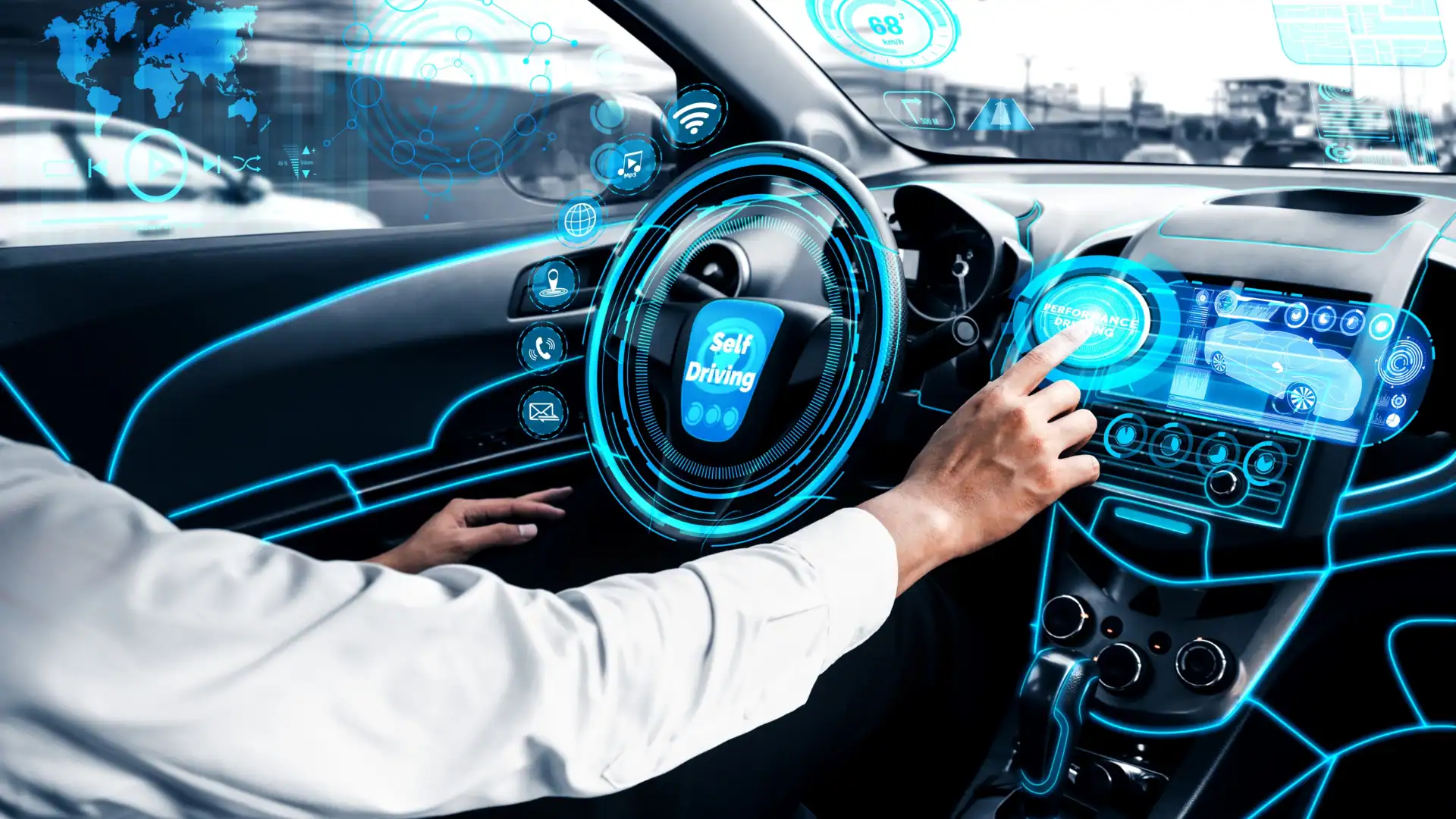
“Vehicle value may no longer be limited to initial features and functionality — it would be earned over the life of the vehicle by continuously providing superior customer experiences with new applications and subscription-based services.”
Jeff Schlageter — General Manager, IBM Automotive
Common Misconceptions Shredded
“Software is just another cost center.” : Wrong. A well-architected SDV is a revenue generator and differentiator.
“Vehicles are too safety-critical for rapid change.” : Safety is built into the SDV lifecycle with staged validation, digital twins, and continuous monitoring.
“Consumers don’t care about software.” : Ask any car buyer who updated their vehicle over the air how they feel about their brand. They care a lot.
Final Verdict: Legacy Is the New Obsolete
Here’s the blunt truth nobody’s airing in glossy brochures:
If your automotive strategy doesn’t say “software first”, it’s already on the defensive. Customers, partners, and even regulators are rewarding cars that adapt, improve, and behave like connected devices instead of static hardware.
So ask yourself (and your leadership):
“Is our technology stack future-ready… or dated by design?”
If you can’t answer confidently and quickly, someone else already is.
Software-Defined Vehicles aren’t about adding cool widgets. They’re about flipping the core value proposition of a car: from manufactured asset to living digital platform. The companies winning this era won’t be the ones with the nicest metal, they’ll be the ones with the sharpest code.
Explore more related content
Active Sound Design in EVs: How Engineers Craft the Perfect Electric Engine Roar
Active Sound Design in EVs: How Engineers Craft the Perfect Electric Engine RoarThe global electric vehicle sound...

RPA in Automotive
RPA in Automotive Manufacturing: From Manual Tasks to Measurable ROI“By 2025, 50% of all RPA deployments will occur in...
AI-Powered Robotics in Automotive: The Manufacturing Advantage No One Can Ignore
AI-Powered Robotics in Automotive: The Manufacturing Advantage No One Can Ignore“Dig into every industry, and you'll...